Free Shipping Click for more details

Digital and Die Cutting Services

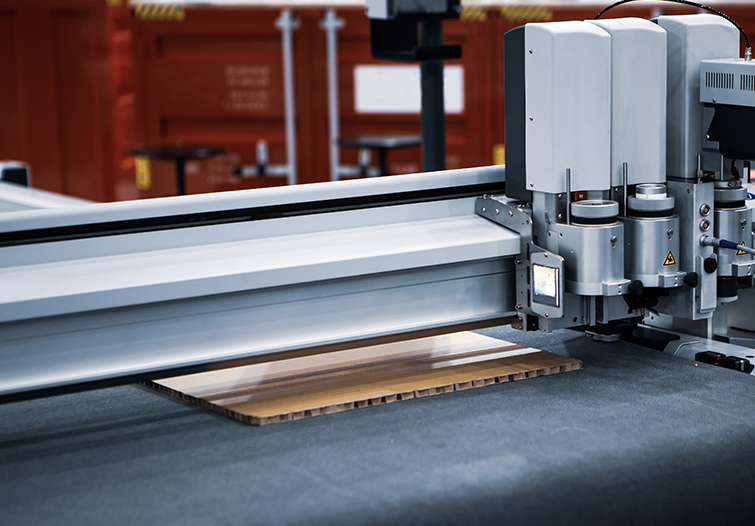
Ward & Kennedy provides high-precision digital and traditional die cutting services for manufacturing industries, supporting everything from one-off prototypes to full-scale production runs. Our advanced Zund S3 digital cutter, Atom Chiesa high-speed die cutter, along with decades of experience allow us to handle a wide range of materials with speed and accuracy. Whether you’re cutting textiles, foams, plastics or gaskets, we tailor each project to fit your specifications. Start your custom cutting project with Ward & Kennedy today.

Contact Us
Digital vs Die Cutting

Traditional die cutting and high-precision digital cutting both have their place in modern manufacturing and often work hand-in-hand during the production process. Digital cutting offers high precision and easily modifiable patterns, making it ideal for the initial prototyping phase where minor changes can be made quickly and efficiently. Traditional die cutting is well-suited for cost efficiency in high-volume production runs.

Material Digital Die Reasoning
Paper & Cardstock Good Excellent Die cutting can produce high volume output while digital is better for intricate designs.
Foams Excellent Poor Die cutting compresses and deforms many types of foam.
Plastics & Rubbers Excellent Good Both options can be well suited for plastics and rubber depending on intricacy and thickness.
Cloth & Textiles Excellent Fair Digital cutting prevents frayed edges.
Leather Excellent Excellent Die cutting can cause edge crushing and tearing.
Composites Excellent Poor Digital cutting is often required for thicker materials.
Labels & Stickers Excellent Excellent Kiss cutting is one of die cutting’s strengths.
Cardboard & Corrugated Board Excellent Good Digital cutting is excellent for prototyping while die cutting can be used for larger production runs.

FabricationFrom Design to Production Runs

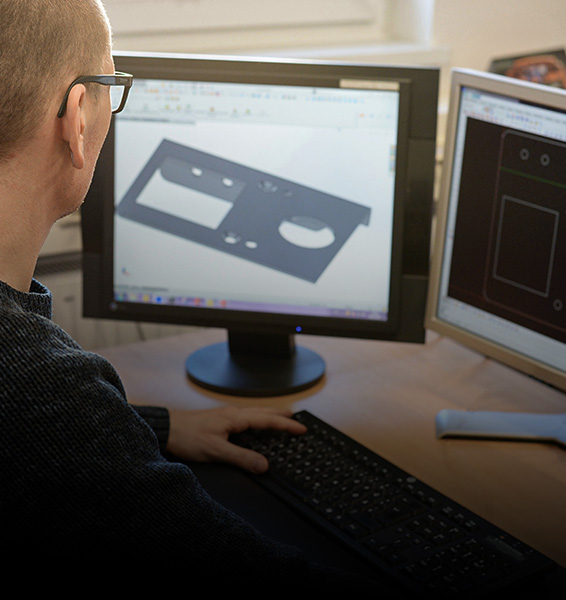
At our facility in Milwaukee, WI, our team of designers and fabricators can help bring your vision to life. Whether you have existing design files or assistance with their creation, we’re here every step of the way.

1

Design

Learn More
2

Protoyping

Learn More
3

Fabrication

Learn More
4

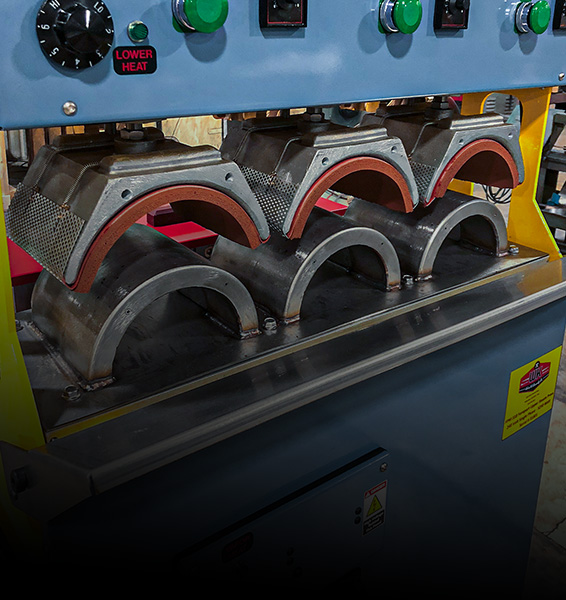
Full Production Runs

Learn More

Cutting Applications

  • Through cuts

    slices completely through the material, and both digital cutters and traditional dies can perform it depending on thickness and volume.

  • Kiss cuts

    A kiss cut slices through the top layer while leaving the backing intact, a strength of traditional die cutting though digital cutters can also achieve it with precise depth control.

  • Back slits

    cuts into the backing without cutting through the face layer, typically requiring the depth precision of digital cutting equipment.

  • Perforation

    Perforation creates a line of small cuts for easy hand separation, achievable by both die cutting and digital cutting.

  • Creasing

    Creasing forms a fold line without cutting through the material, handled well by digital cutters through adjustable pressure and by dies fitted with the right rule type.

Cut From the Material of Your Choice

Plastics

Plastic materials vary in thickness and rigidity, which affects how they respond to cutting. Thin films like LDPE cut cleanly with die cutting, while thicker sheets such as HDPE or polyurethane often require digital cutting. For prototyping or low volume runs, digital cutting is usually the better fit since it avoids tooling costs.

Learn More

Rubbers & Elastomers

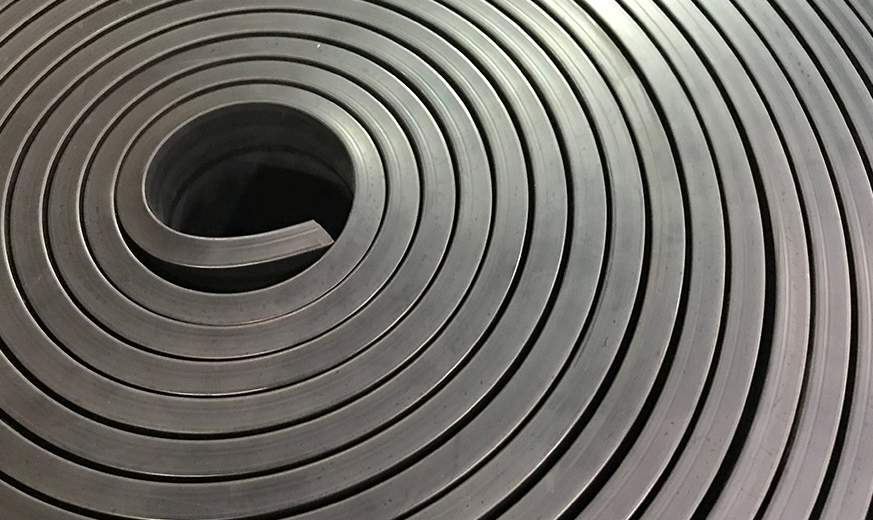
Rubber and elastomer materials tend to compress under a die, making digital cutting the more reliable option for tight tolerances. Neoprene and foam rubber are especially prone to distortion, while denser materials like Santoprene hold up better with die cutting at scale.

Learn More

Fabrics & Textiles

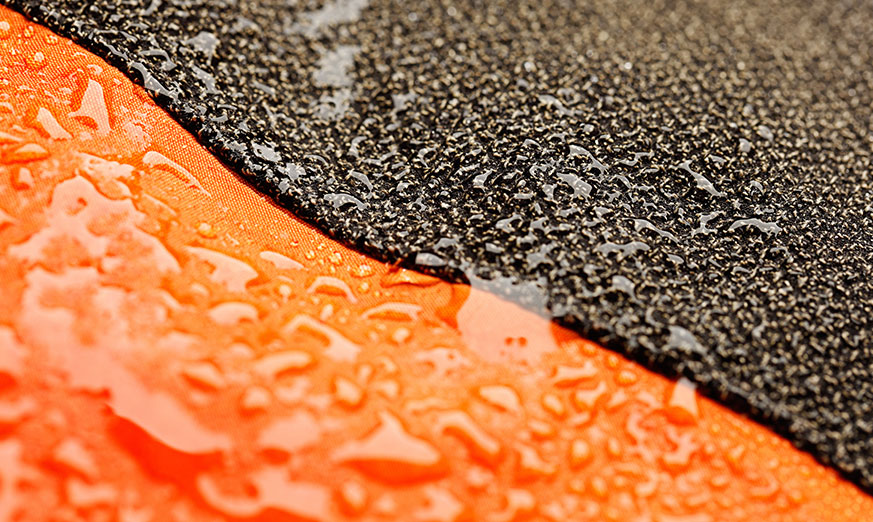
Textiles present a different challenge since fraying and edge quality matter as much as dimensional accuracy. Digital cutting is generally the stronger choice for felt, canvas and cloth because it avoids the fiber pull that can happen with a traditional die. This is especially true for parts with small or detailed cutouts.

Learn More

Paper & Cellulose

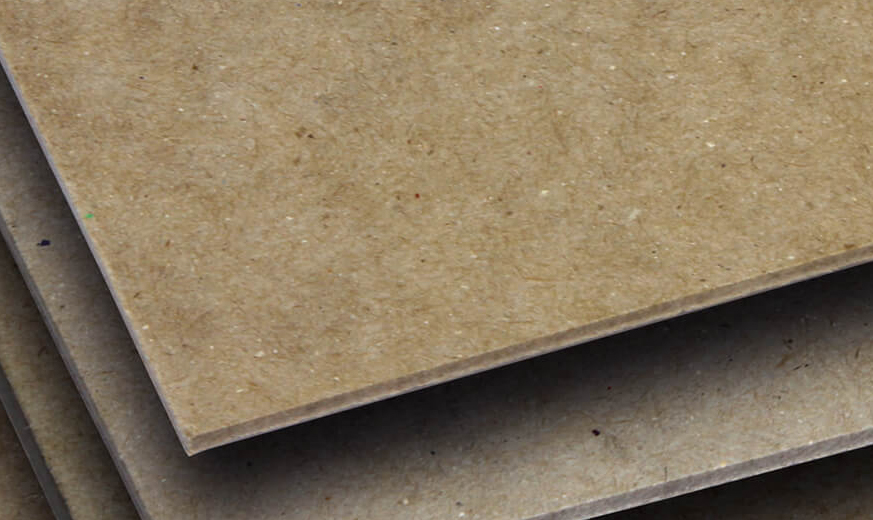
Paper and cellulose-based materials range from lightweight sheets to rigid bookboard and paperboard. Thinner materials cut cleanly with either method, while corrugated cardboard and cork can compress unevenly under a die if the tooling isn't matched to thickness.

Shoe Parts

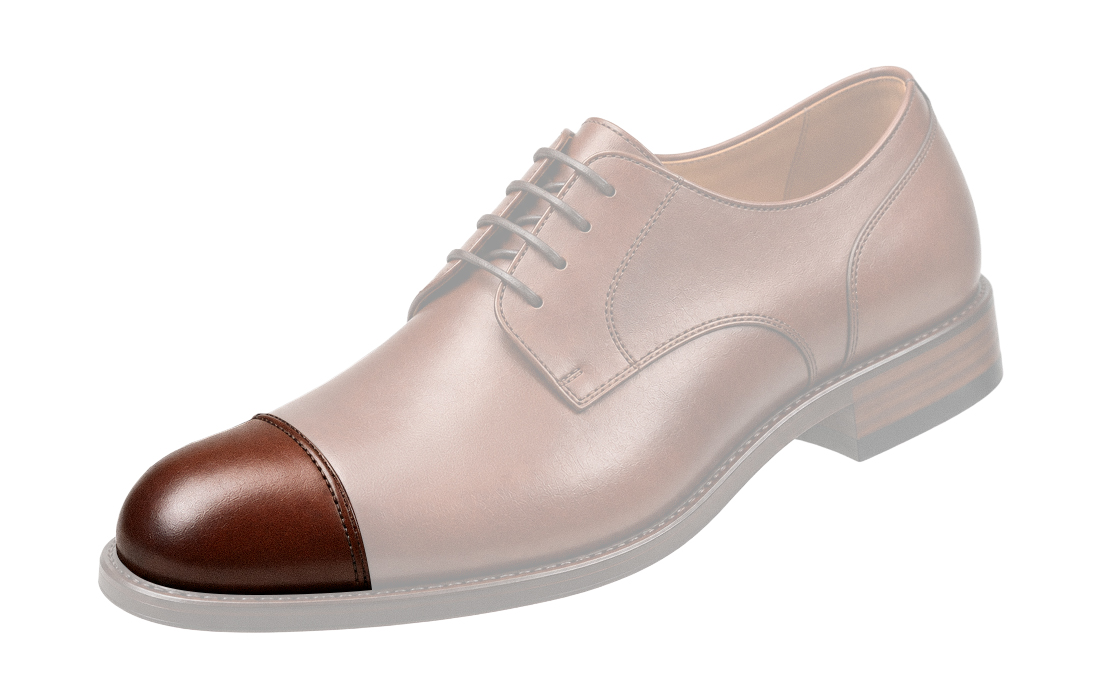
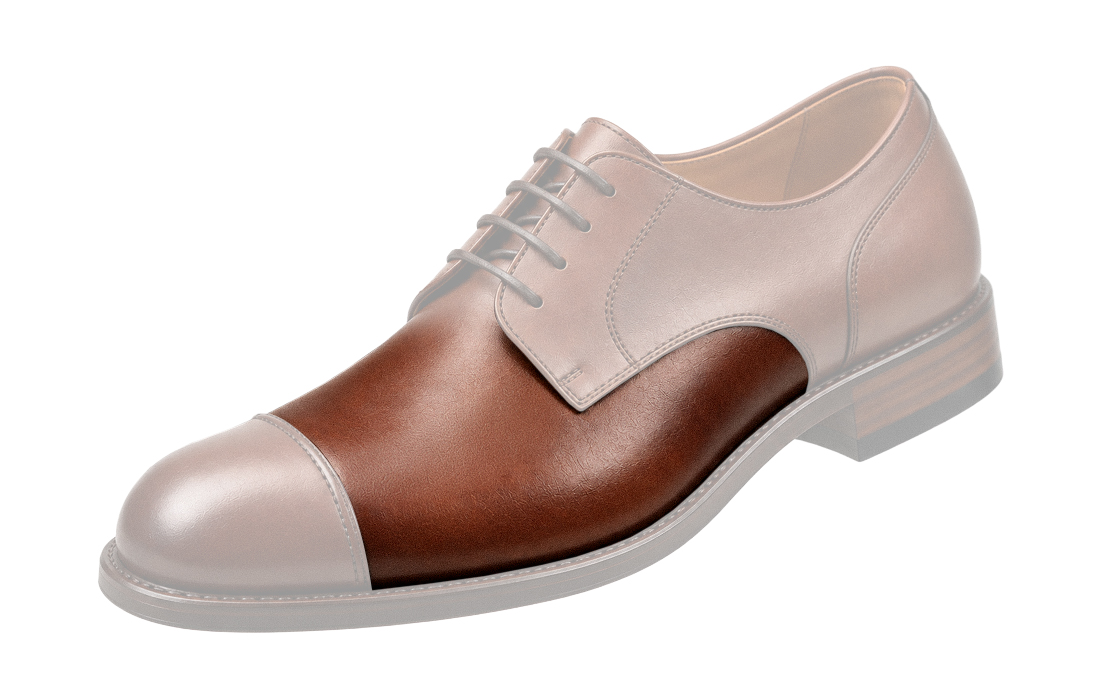
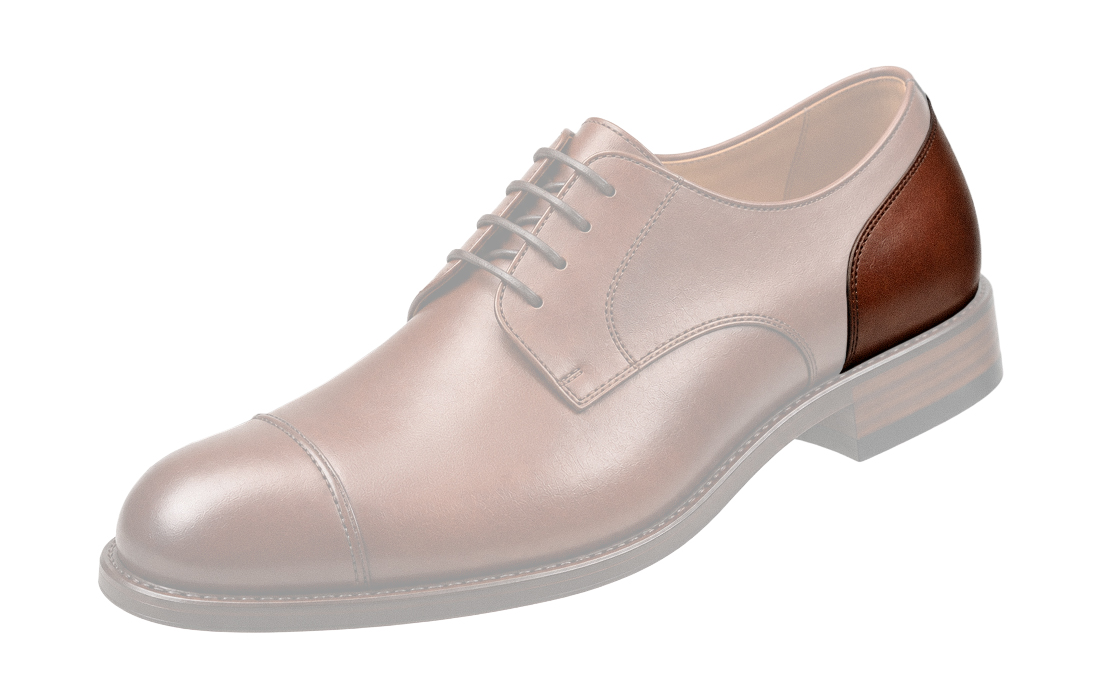
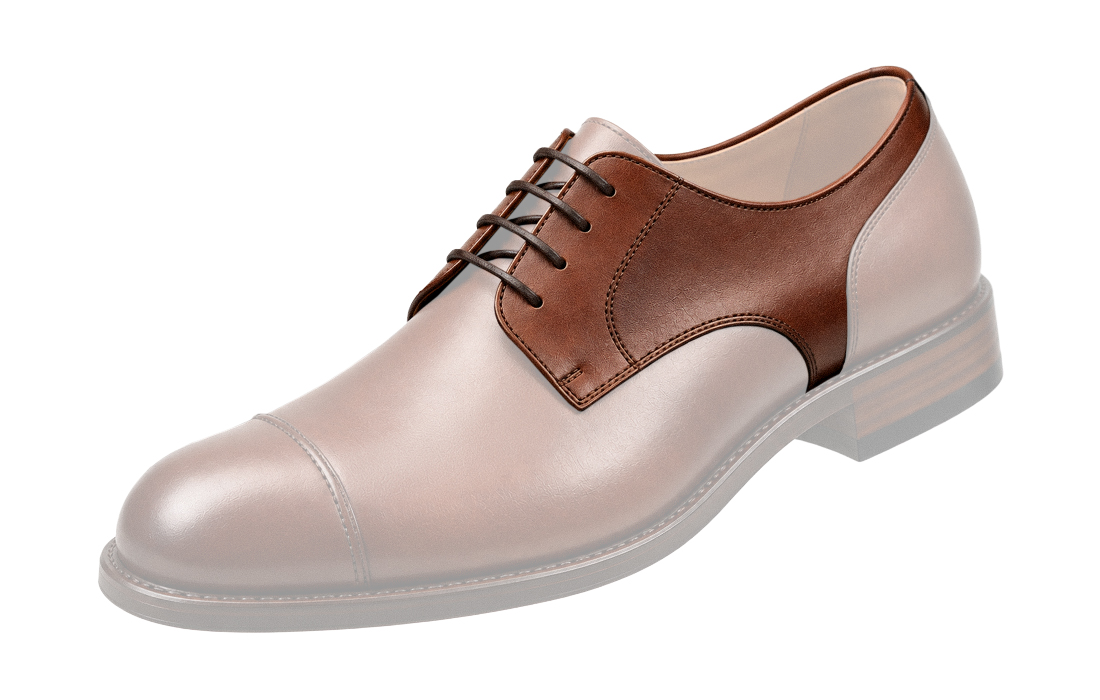
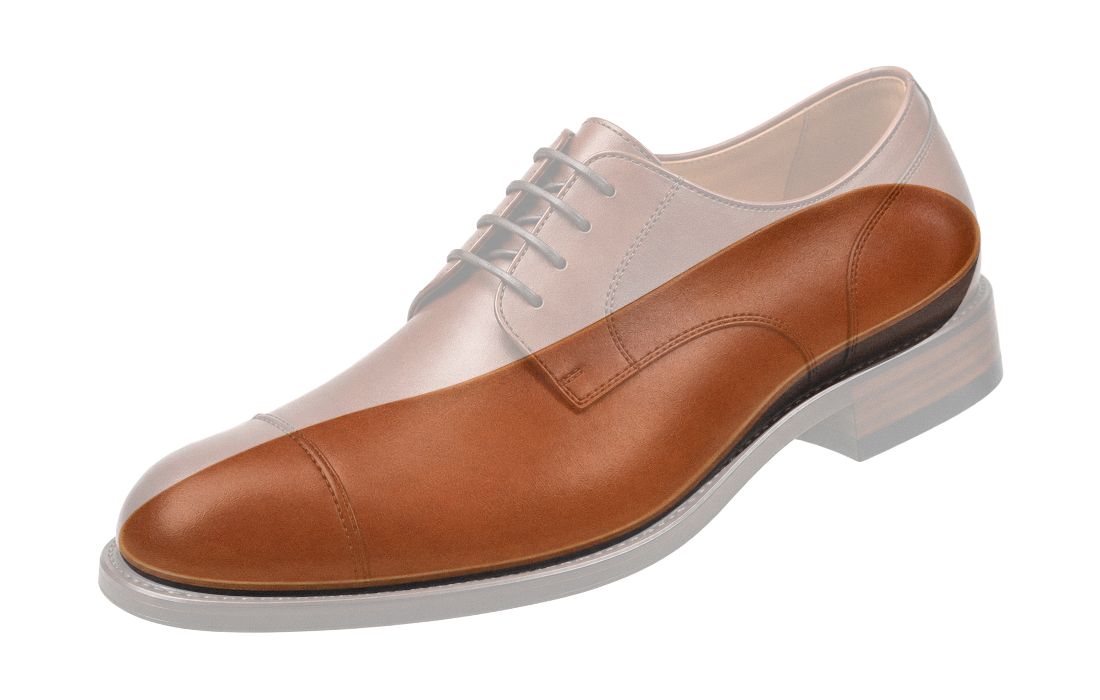
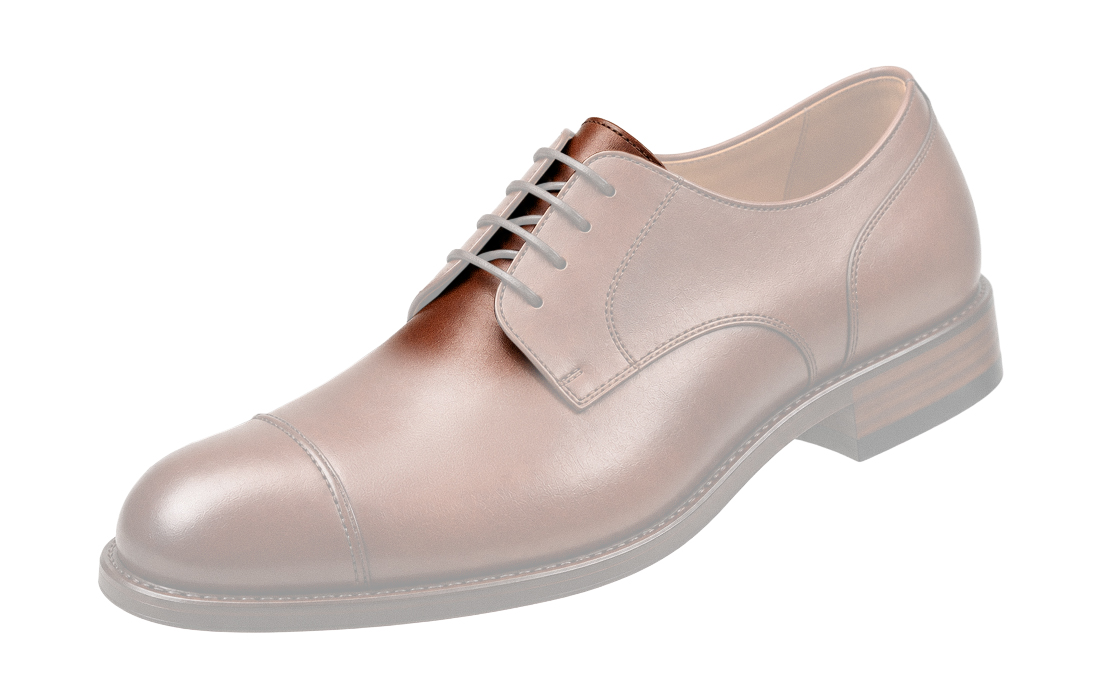
Shoe components each have their own cutting needs based on the part's function and material. A box toe or heel cap often needs a stiffer material cut to an exact shape, while a vamp or tongue may use a softer material where edge finish matters more. Digital cutting offers the flexibility to adjust patterns during development before moving to die cutting for full production.

Serving Every Industry Worldwide

Ward & Kennedy has customers in just about every industry imaginable: footwear, metal working, wood working, custom machining, water jet cutting and more! They're located all over the world, from our backyard in Wisconsin to companies in Asia.

Whether you’re working with digitally cut or die-cut textiles or plastics, we’re able to help get the solutions you need. Our application-based approach is tailored to serve you best. Thanks to decades of experience, we know how to provide the best solutions to solve your problems.

Contact Ward & Kennedy to request a quote on our digital cutting, die cutting, design or manufacturing solution services.

Ward & KennedyDigital Die Cutting FAQs

We work with a wide variety of materials, primarily focusing on flexible materials such as various plastics (like nylon), films, foams, fabrics, and adhesive-backed materials. For specific material inquiries, we recommend contacting us to verify compatibility with your application.
We pride ourselves on flexibility. Whether you need a single prototype for testing or a high-volume production run, we can accommodate your request. We recommend starting with a prototype to approve the design before moving to full-scale manufacturing.
Yes. We can integrate multiple processes, including laminating materials together and applying pressure-sensitive adhesives, during the fabrication stage. This allows us to deliver a finished component ready for your assembly line, saving you time and labor.
Please enable JavaScript for Full Website Functionality